Mold Testing in East Los Angeles, CA
Choose mold testing in East Los Angeles when a sample could change your next step. Your inspection findings should explain why sampling is useful.
- Inspection before sampling
- Moisture source checked
- Results tied to a clear scope
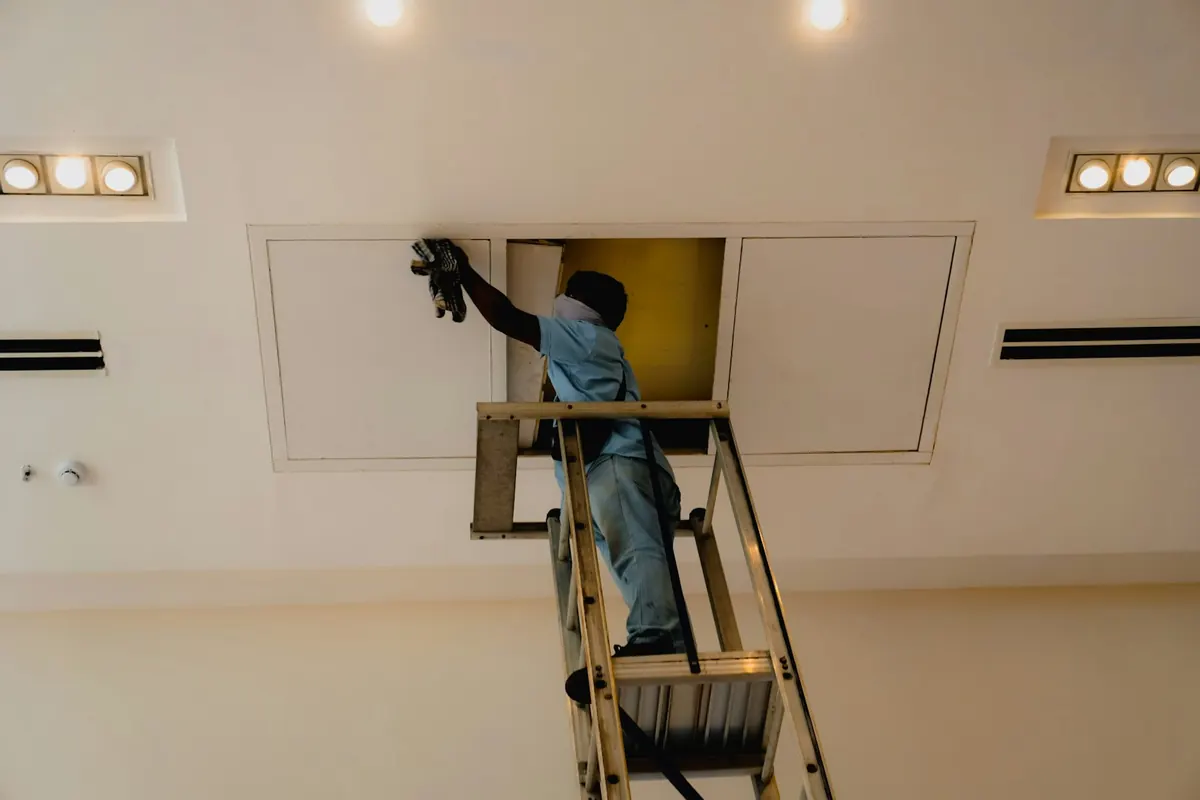
Understanding What Your Mold Sampling Report Should Show in Los Angeles County
You need findings with interpretation, beyond a laboratory sheet.
Your report needs a traceable record for each sample ID: collection method, room and date. Results from the lab may include a count of spores and types of mold. Request details of indoor collection locations, measurement units and any outdoor sample serving as a baseline. Ask what conditions could influence the interpretation.
Keep recommendations, observed conditions and laboratory findings distinct in your written report. EPA sets neither a federal standard for indoor mold nor a safe number for all situations. Sampling reflects a particular location at collection time. It cannot describe all wall cavities or your home's overall condition.
- Sample locations and methods
- Lab findings with units
- Photos and moisture readings
- Uninspected areas and limitations
Your East Los Angeles Mold Testing Company: Questions to Ask
Who interprets the report?
Determine who is responsible for explaining the lab sheet and answering any follow-up questions.
What happens if access is limited?
Ask how unexamined rooms or cavities will be identified in the report.
Can you decline extra samples?
Require your consent for additions after agreeing on how much to budget for samples.
Who has a financial interest?
Does the assessor offer removal work as well, or benefit from advising you to get it?
Deciding Whether to Take Mold Samples in Los Angeles County
Choose a sampling question that fits your property concern.
A required project record
Ask whoever will receive the results what evidence is needed before you order sale-related or repair-project tests.
Conflicting property records
If an earlier report lacks sample locations, ask whether its findings can support your current decision.
Uncertain surface marks
For one selected spot, mold identification may benefit from a swab sample or tape lift.
Hidden musty odor
Ask whether an indoor air quality test would change the investigation when moisture checks cannot locate the source.
Your East Los Angeles Mold Assessment: Steps to Take Beforehand
Address immediate water problems before waiting for results.
Call (844) 352-3560- Stop water safely. If safe, turn the leaking fixture off. Where areas are wet, avoid electrical equipment.
- Begin prompt drying. Dry water-damaged items and areas within 24 to 48 hours as EPA advises for preventing mold growth.
- Avoid disturbance. Leave growth unscraped, unsanded and without dry-brushing. Starting demolition early may scatter dust and mold spores.
- Keep suspect HVAC equipment off. Tell the assessor which rooms it serves.
- Prepare access. Identify locked rooms and inaccessible areas. Ask for visit preparation instructions before moving belongings.
How Much Could Mold Testing Cost in East Los Angeles, CA?
Use the Fixr figures below to compare published costs for different tests. These are individual test ranges, not quotes for your entire project. Check the pricing for inspection, interpretation and laboratory fees.
Testing only, overall range
$50 to $700 per testSource: Fixr, Mold Inspection Cost (checked 2026-10-23)Stain Test Using Surface Samples and Air Samples
$150 to $200 per testSource: Fixr, Mold Inspection Cost (checked 2026-10-23)Understanding What Shapes Your Mold Testing Cost
- Lab turnaround requested
- Sample type and count
- Moisture mapping needed
- Access to concealed spaces
- Report detail and interpretation
Published Mold Test Cost Guides Are Not Quotes
These ranges come from published national cost guides, not from a site visit. Before work begins, you should get an explanation of the property price determined through an on-site assessment.
Ask about cost: (844) 352-3560Mold Tests in California: Planning for Payment
Speak with your insurer before ordering mold tests intended to support an insurance claim.
Property disclosures
California's Toxic Mold Protection Act includes a landlord written-disclosure section (Health and Safety Code 26147). By its own wording it applies only after the state adopts mold exposure standards, and the state health department has said it could not set them.
Payment limits
Ask if testing draws from funds for removal, and clarify your deductibles and mold sublimits.
Rental responsibilities
Under California's housing law, visible mold found by a health officer or code enforcement officer can make a rental substandard. Renters can contact their local health or code enforcement department to ask for an inspection.
Homeowners insurance questions
For this water event, will the policy pay for sampling and require advance approval?
Understanding How Your Greater Los Angeles Mold Assessment Works
Set the sampling protocol by agreement before your visit.
Go Over Past Water Damage and Mold
Describe leaks, water intrusion, previous cleanup and affected rooms.
Visual mold inspection and moisture mapping
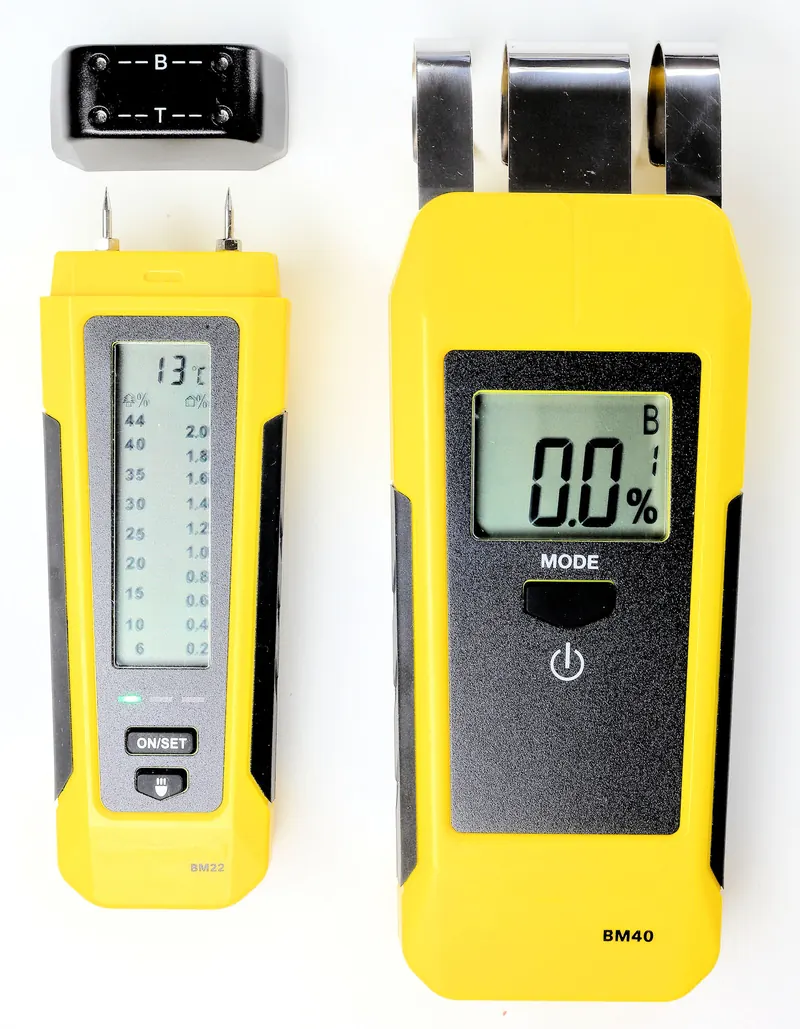
A moisture meter is used to check dampness. Checks can be guided by a thermal imaging camera, which cannot identify mold.
Choose mold sample locations
Choose between surface sampling and air sampling by agreement, with a defined question for each location.
Collect and label
An air test requires both a spore trap and a pump. Collection of surface material uses a tape lift or swab.
Analyze mold samples
Request the name of the independent testing lab that receives them and the analytical method used.
Discuss the findings
Ask your assessor about uncertainties and the need for a remediation protocol or further investigative work.
Choose Inspection, Sampling, Removal or Clearance
Each of these tasks answers different questions. Clarify which tasks your scope includes.
| Task | Purpose | What you get | When it makes sense |
|---|---|---|---|
| Inspection | Find moisture and visible concerns | Observations and moisture readings | Your aim is to find or define an affected area. |
| Sampling | Answer a defined identification question | Lab results with interpretation | A decision might change because of the finding. |
| Removal | Address affected materials | Removal and cleaning within the assessed scope | Growth or damage needs cleanup. |
| Clearance | Check completed cleanup | Post-remediation verification findings | Once cleaning and drying are finished, before repairs hide work or containment is removed. |
Choose an assessor independent of the removal company to carry out clearance testing. Before verification, agree on whether to include samples.

Discuss Mold Sampling in East Los Angeles
Phone at any hour. Talk with a mold testing specialist about what you are seeing and the steps ahead.
Limits of Mold Sampling in Greater Los Angeles Homes
Testing for mold does not measure your individual health.
Health limits
Allergy and asthma symptoms may be triggered by mold in some people. People face higher risk when they have lung disease, weak immune systems or asthma.
Mold names need context
CDC lists Cladosporium, Penicillium and Aspergillus as common indoor molds. These names do not establish the danger of your sample.
Color is not a danger scale
Ranking risk according to color has no support in CDC guidance. Search terms such as black mold and toxic mold do not identify species.
Can you clean it yourself? According to EPA, homeowners can often clean areas smaller than about 10 square feet. Seek professional assistance for affected HVAC systems, larger areas, mold from sewage and mold associated with contaminated water.
Factors That Shape Your Los Angeles County Mold Test Schedule
Request individual time expectations for your site visit, laboratory analysis and a discussion of findings.
- Site visit: The size of your property, access to rooms and hidden moisture concerns shape the inspection scope.
- Lab analysis: The method used, number of samples and laboratory workload influence the wait for results.
- Final report: Missing property history or unclear findings may need follow-up before recommendations are complete.
Moisture and Musty Odor in Los Angeles County
Mold can recur if you leave its moisture source unresolved. Describe to the assessor how odor relates to air conditioning, rain or use of plumbing. A link in timing is an investigative clue, not confirmation of where a hidden source lies.
A dehumidifier may help you control humidity; it cannot take the place of repairing leaks. Follow EPA guidance on relative humidity: below 60 percent, with an ideal range of 30 to 50 percent.
Mold Assessment Rules in California
Assessment requirements
California has no state license or certification for mold assessors or remediators, according to the California Department of Public Health. General construction work above a small dollar amount does need a license from the Contractors State License Board (CSLB), so it is worth checking a contractor's license there and asking about their mold training.
Permission for invasive checks
Establish who can give permission for shared-space access or wall opening before the visit takes place.
Project acceptance criteria
Find out who establishes your project's criteria and what happens when findings are disputed.
Local mold information
The California Department of Public Health (CDPH) Air Quality Section publishes mold and dampness guidance and a mold FAQ. CDPH says visible mold, dampness, and mold odor are unhealthy and should be fixed, and that routine mold testing is not needed when mold is visible.
State guidance: CDPH Frequently Asked Questions about Mold; CDPH Statement on Building Dampness, Mold, and Health; California Health and Safety Code 26147 (leginfo); California Health and Safety Code 17920.3 (leginfo)
Sampling and Results
Use the full mold testing guide to prepare questions about the assessment, scope and next steps for your property.
Read the mold testing guidePlanning Mold Testing in East Los Angeles
Local housing figures describe the area, not the condition of your property. Base your plans for records, access and moisture repairs on assessment results.
Census ACS 2024 5-year (tables B01003, B25003, B25035, B09021 and B25024). Area estimates do not establish conditions at an individual property.
In East Los Angeles, renters occupy 66 percent of occupied housing units. For your property, record the rooms affected and ask who can authorize access before work begins.
The median year built for housing units in East Los Angeles is 1950. This does not establish your building age or condition. Use your own inspection findings to plan repairs and keep copies of the agreed cleanup steps.
Single-family units make up 74 percent of all housing units in East Los Angeles. Before work starts, discuss access to the affected room and any adjoining space that needs inspection.
In this community, 17 percent of residents aged 65 or older live alone. Confirm who can approve opening affected materials and how you will receive the findings and next steps.
Before Your Property Assessment
- In this community, mold removal starts with finding and fixing the water problem, because cleaning the surface alone will not keep growth from returning.
- Keep dated photos of the affected area and a record of the repair and cleanup scope.
Local Mold Testing Information for East Los Angeles
Your call can include questions about mold cleanup availability in close-by communities and ZIP codes.
Mold Testing in Locations Near East Los Angeles
ZIP codes
Common Questions About Mold Testing in East Los Angeles
Before booking samples in Los Angeles County, what steps should a tenant take?
Give dated notice to the property manager or landlord about the odor, leak or visible damage. Save both the message and reply. Ask who will arrange access, approve testing and pay for it before booking. Request a repair schedule and clarify whether adjacent units or shared building areas need inspection.
Does your payment for testing also cover repairs and removal?
Avoid assuming that it does. Request a written scope of work distinguishing cleanup from sampling, inspection, lab analysis and interpretation. Clarify whether rebuilding and leak repair need separate agreements, along with drywall removal, HEPA vacuum cleaning and air movers for drying. Work recommended in a report is not necessarily included in the scope.
Can you remain at home in East Los Angeles for the visit and any later work?
Ask whether the visit involves only inspection and sampling or opening materials. For subsequent removal work, talk through essential room use, shared ventilation, room separation and access routes. Ask how containment, negative air pressure and HEPA filtration fit the assessed scope. A sample finding is no promise that you can safely remain at home.
After an inconclusive result, should you pay for more samples?
Ask what another sample would clarify and why the original result gave no clear answer. A different location, collection method or further moisture investigation may be more relevant than repeating the same test. Request the proposed next step and added cost before authorizing more work on your property.
Which records are worth keeping after your home mold test?
Group your full lab report with the map of sample locations, moisture readings, photos with dates and the assessor's interpretation. Add your invoices plus documentation of finished repairs. If you compare findings later, confirm with your assessor that site conditions and collection methods were comparable before interpreting a count change as improvement.
Do you need a test before removing visible mold?
Generally, no. EPA guidance generally does not call for sampling where visible mold growth is present. Before purchasing the proposed test, ask which decision would be different because of testing. Before proceeding with testing requested in a project specification or contract, ask the person accepting the work to clarify the requirement.
Questions About Mold Testing in Los Angeles County?
Get calm, practical guidance about mold testing, with calls answered 24 hours a day.